




15 products · 35 brands
Starting from PKR 3,050
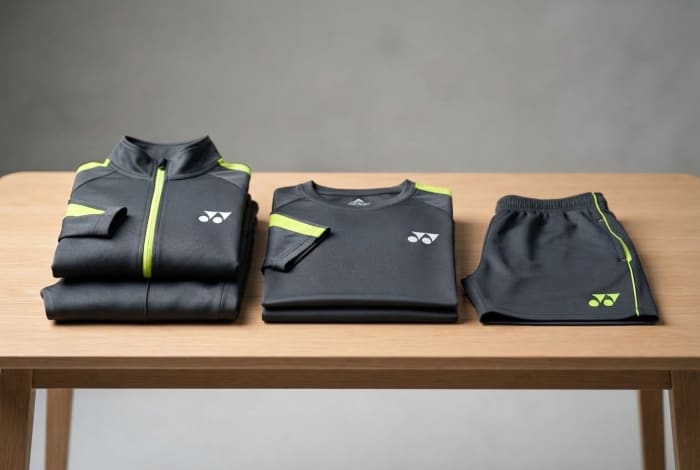
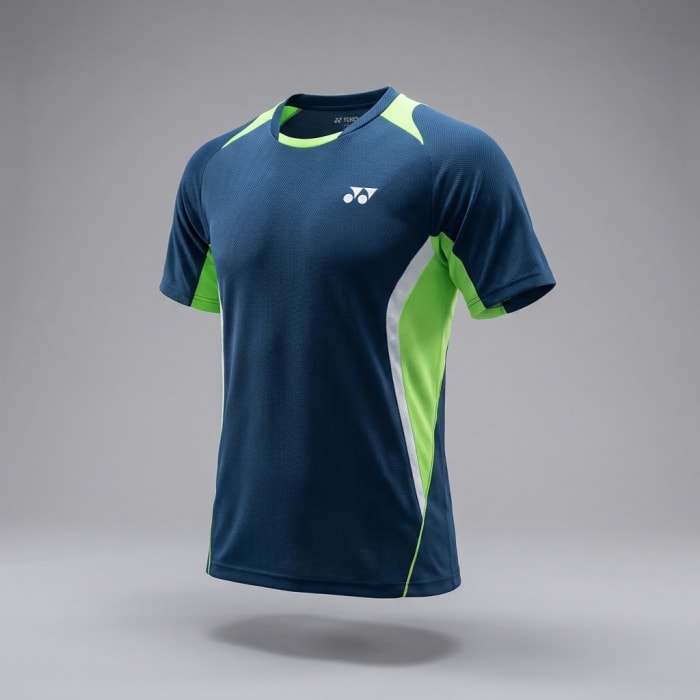
Shop badminton shirts in Pakistan by fabric, fit and price. This collection covers performance court shirts in dry-fit, micro-interlock and bird eye mesh, in sizes S to 3XL where each seller stocks them — from budget club shirts to original branded Yonex designs.
Badminton is a stop-start game played in a hot, humid hall, so the fabric matters more than the design. Dry-fit moves sweat off the skin and dries fast, micro-interlock holds its shape through repeated washing, and bird eye mesh lets air through the panels. Every listing below states the fabric, the available sizes and the seller setting the price.
Prices are set per seller and vary with brand, fabric, print method and whether the shirt is original or a branded copy. Use the filters to narrow by price or brand, and check the individual product page for current size availability before ordering.
15 products available


PKR 3,050


PKR 3,050
PKR 3,990
PKR 7,950

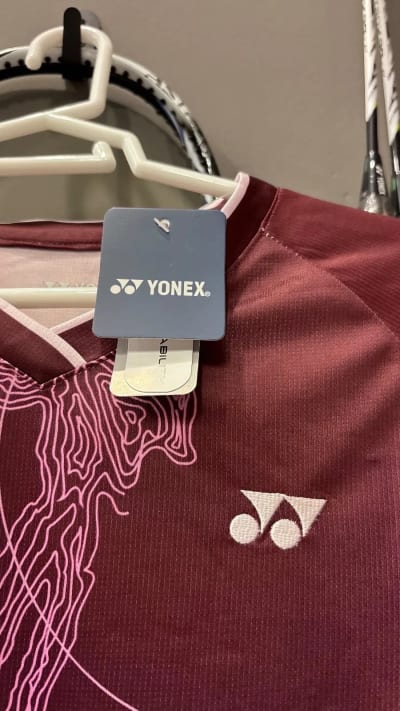
PKR 4,490
PKR 8,500


PKR 5,490
PKR 8,950
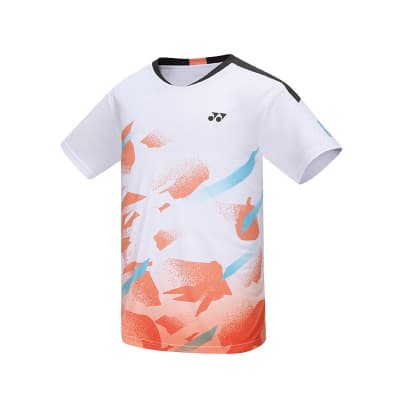
PKR 13,500
PKR 14,900
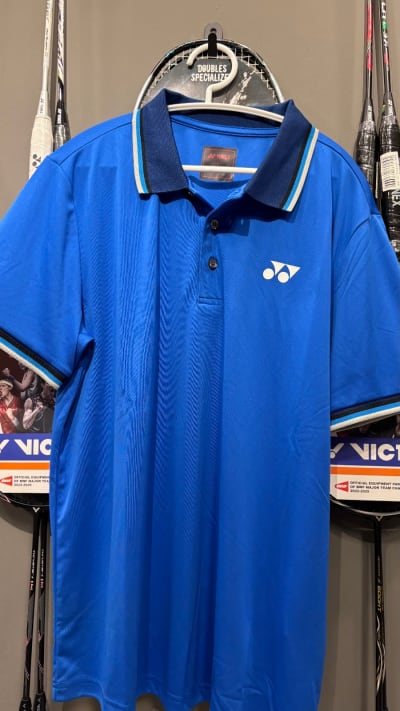
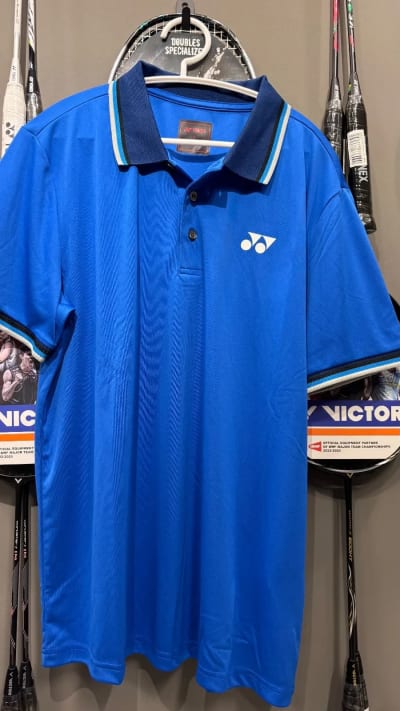
PKR 12,500
PKR 15,500
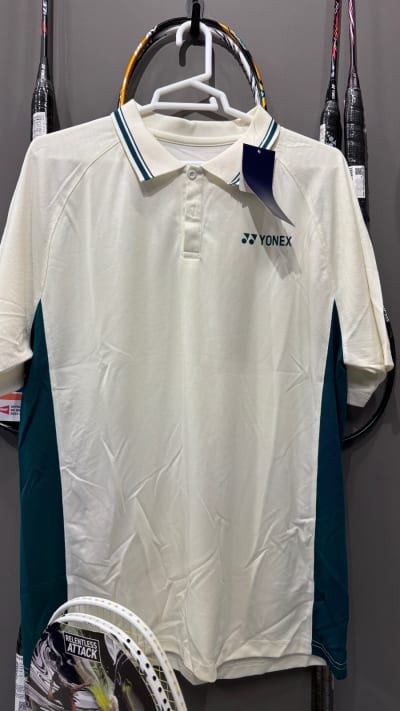
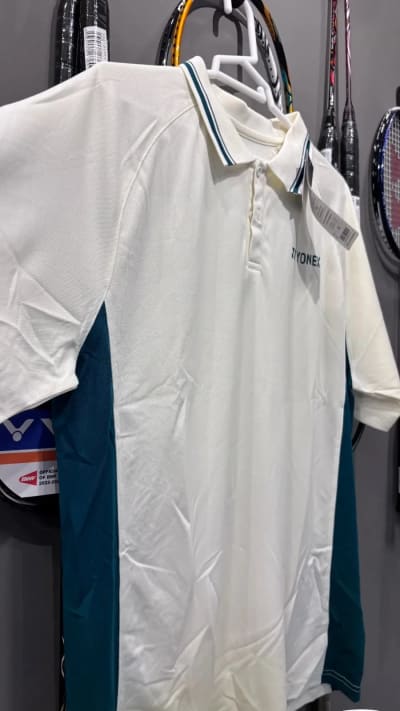
PKR 11,500
PKR 16,500


PKR 11,900
PKR 16,500
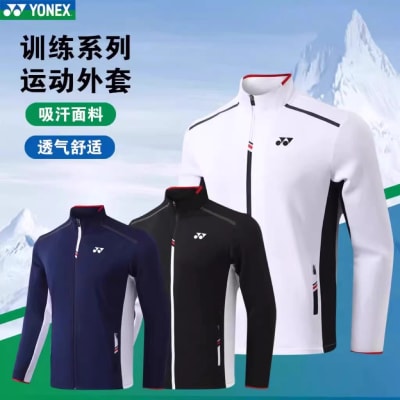
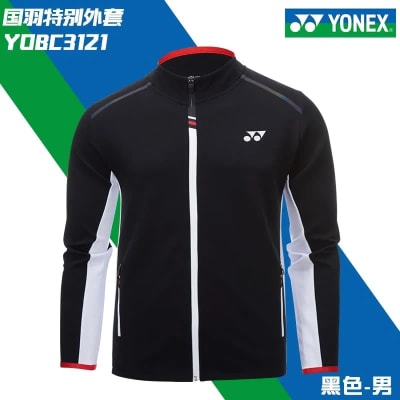
PKR 14,500
PKR 16,900
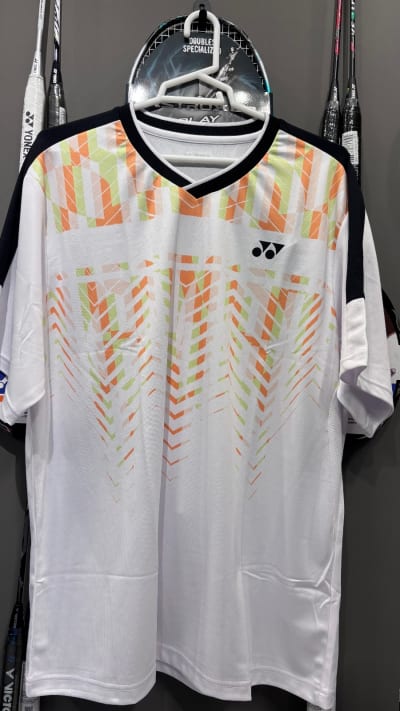
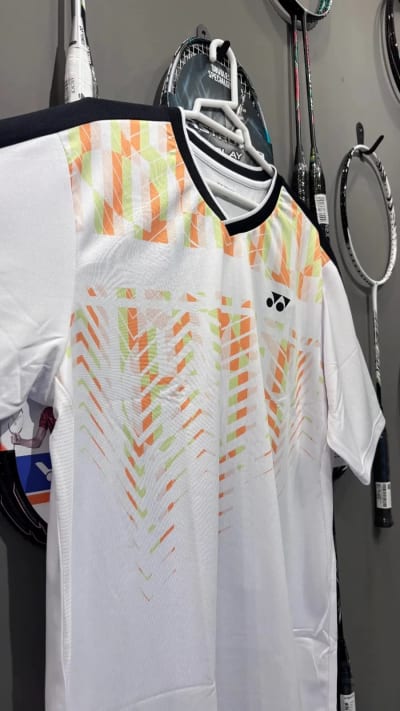
PKR 13,500
PKR 18,500
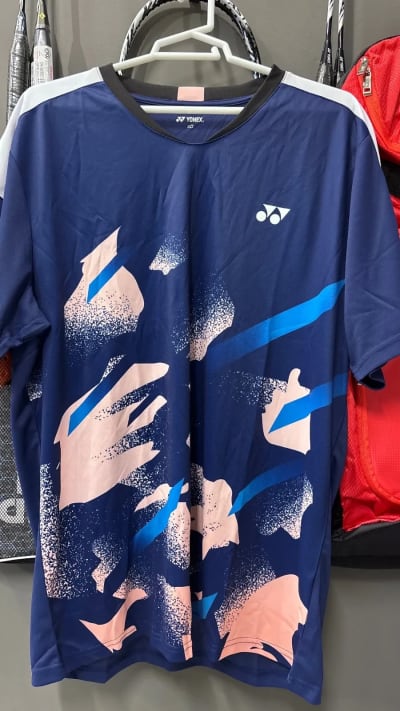
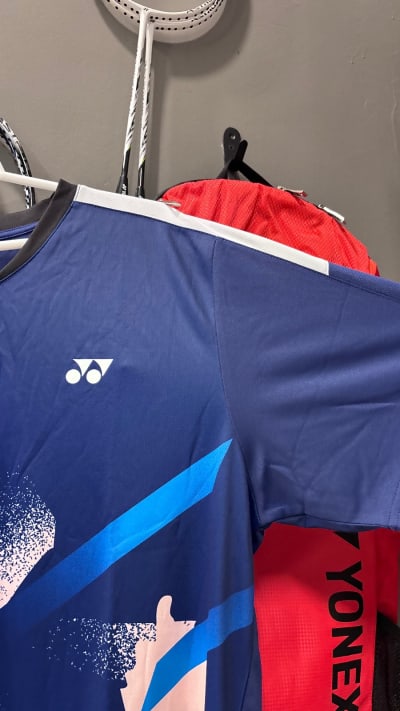
PKR 13,500
PKR 18,500
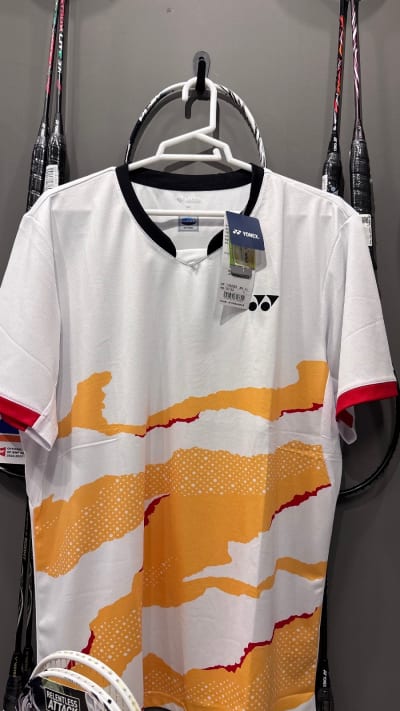
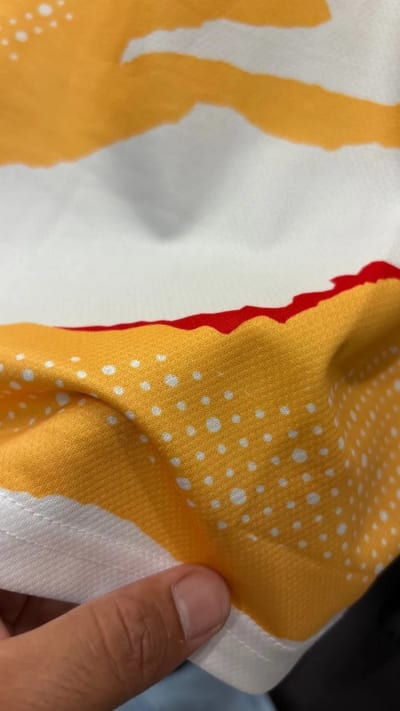
PKR 13,500
PKR 18,500
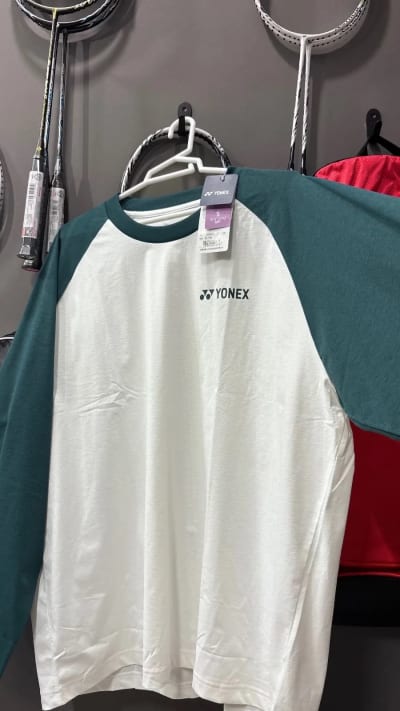
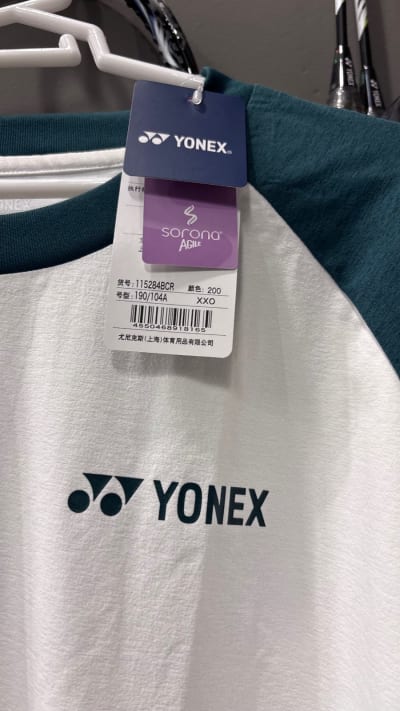
PKR 14,900
PKR 21,500
Compare badminton shirts by fabric, fit, size and price — dry-fit, micro-interlock and bird eye mesh, from budget club shirts to original Yonex.
Badminton shirts are the first piece of kit most players replace. A racket lasts years and a pair of shoes lasts a season, but a shirt is worn every session and washed constantly until it gives up its shape. That is why this collection is organised around the four things that decide whether a shirt survives regular court use: fabric, weight, print method and fit.
ShuttleZone lists badminton shirts from multiple sellers, including original Yonex shirts, Kumpoo sublimation designs, FlexPro shirts and lower-priced dry-fit options. Each listing shows its price, available sizes and seller, so you can compare like for like before ordering.
If you are buying for a club, academy or office team, read the sizing section before placing a bulk order — cut and fit vary noticeably between imported and locally finished shirts.
Shirts currently listed on ShuttleZone run from about PKR 3,050 for an original Yonex shirt up to around PKR 21,500 for premium ranges and sweatshirts. The live minimum is shown at the top of this page under "Starting from", and the price filter on the left lets you narrow the grid to your budget.
Four things move the price more than anything else:
Prices are set by each seller, not by ShuttleZone, so two shirts that look similar in photos can sit far apart in price. Compare the fabric and print method, not just the photo.
Nearly every performance badminton shirt is polyester, but the knit matters as much as the fibre. The three you will see most often:
For everyday club play in Pakistan's climate, bird eye mesh and dry-fit are the practical choices. If you want a shirt that still looks presentable after a full season of washing, micro-interlock usually lasts longer.
Both are sold in Pakistan, and the price gap is large — often three to five times for shirts that look almost identical online. The difference shows up in the knit quality, the print, the stitching at the shoulder and hem, and how the shirt behaves after ten washes.
An original shirt has a consistent knit density, a print that is dyed into the fabric rather than sitting on top of it, and seams that do not pucker. A copy usually has a thinner knit, a print that can crack along the fold lines, and looser stitching at the collar.
For training twice a week, a good copy is sensible — it costs a fraction of the original and wears out at roughly the same rate. For match play or a team kit that has to look consistent across a season, the original is the better buy. Check each listing's description and seller before assuming which one you are getting.
Shirts are listed in S, M, L, XL, 2XL and 3XL wherever the seller stocks them. Availability differs by product and colour, and the size selector on each product page shows only what is actually in stock.
Badminton shirts are cut to allow a full overhead smash, so most players take their normal size rather than sizing up. If you are between sizes, or ordering for a team, use the size guide and go by chest measurement instead of the label — imported shirts often run a size smaller than locally finished ones.
For team orders, collect chest measurements rather than shirt sizes. Two players who both say "large" can differ by 8cm across the chest, and a sublimated team kit cannot be exchanged once it is printed.
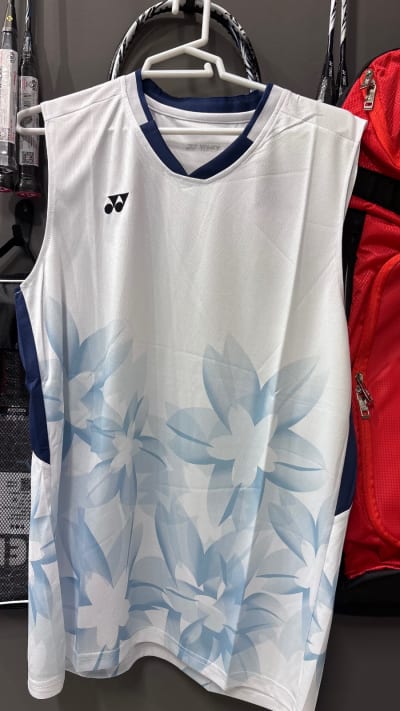
Sleeveless shirts give the shoulder the most freedom and are common among competitive players and in hotter halls. The trade-off is that a sleeveless shirt exposes the shoulder to chafing from a bag strap and offers no protection if you play outdoors.
Short-sleeve shirts suit most club players: they protect the shoulder from the strap and sun, and the sleeve does not restrict a smash as long as the cut is right. If a sleeve rides up or pulls across the chest on an overhead reach, the shirt is too small in the shoulder — size up rather than accepting the restriction.
Most badminton shirts in Pakistan are decorated by dye sublimation, which turns the ink into gas and bonds it into the polyester fibres instead of printing a layer on top. The design becomes part of the fabric, so it does not crack, peel or fade in the wash the way a heat-transfer print does.
Sublimation only works on polyester — on cotton the ink does not bond, which is one reason performance badminton shirts are polyester rather than cotton. It also means the print covers the whole panel, so a sublimated shirt can carry a team design across the chest, sleeves and back without adding weight or stiffness.
If you are ordering a club kit, ask for sublimation rather than vinyl or transfer printing. A transfer print on a shirt that gets washed twice a week will start lifting within a season.
Two shirts is the practical minimum for anyone playing once a week — one on the body, one in the wash. Three is comfortable if you play twice a week or train in the morning before work, because a shirt worn for a two-hour session usually needs a full wash cycle before it smells neutral again.
Beyond that, most players end up with a mix: a light dry-fit shirt for training, a slightly heavier micro-interlock or sublimated shirt for matches, and an older shirt for practice. Buying three identical cheap shirts usually works out better than buying one expensive shirt and washing it constantly.
Size *
Please select a size.
Design *
Please select a design.